
InterestBlog24 — Small Space Living
Small home? You don’t need more space. You need a plan.
Plain, renter-safe guides for small flats and first homes — storage, layouts, plants and cleaning. No drills. No fake tests. No big spends.
Start with storage Try the free planner
✓ 40+ step-by-step guides · ✓ Renter-safe, no-drill first · ✓ No fake tests, ever · ✓ New guides every week
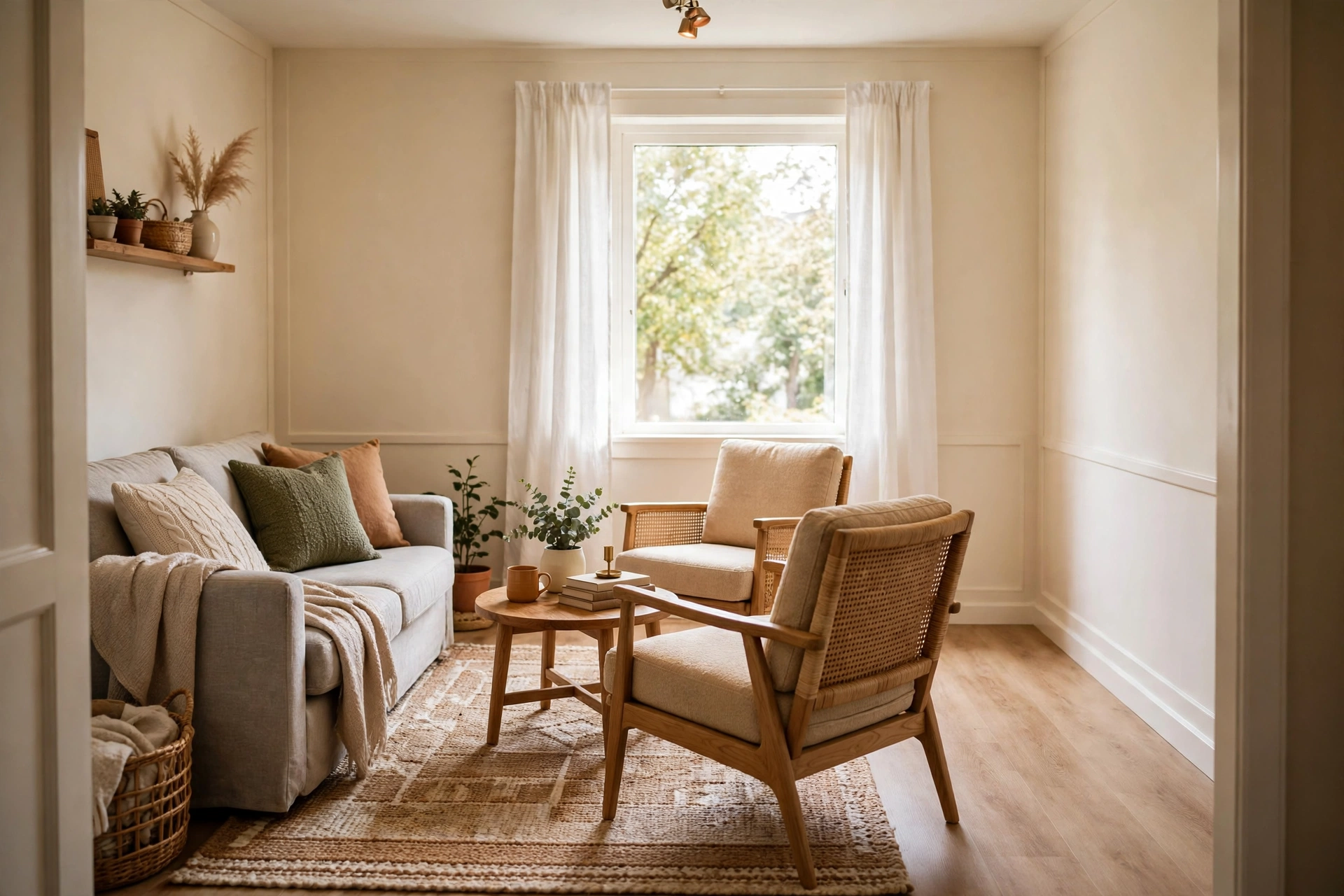
Renter-safe first — deposit-friendly ideas
Measure-first guides — tape & phone checks
Honest limits — we point to maker manuals
People-first — written for real small homes
Free tool: Small Space Storage Planner
Answer three quick questions. We will show you where your free storage space is hiding — and what to fix first. No sign-up.
Small Space Storage Planner
Answer three quick things. We will show you where your free storage space is hiding, and what to fix first. No sign-up.
Pick your room problem
Six room problems, six starting points. Pick yours.
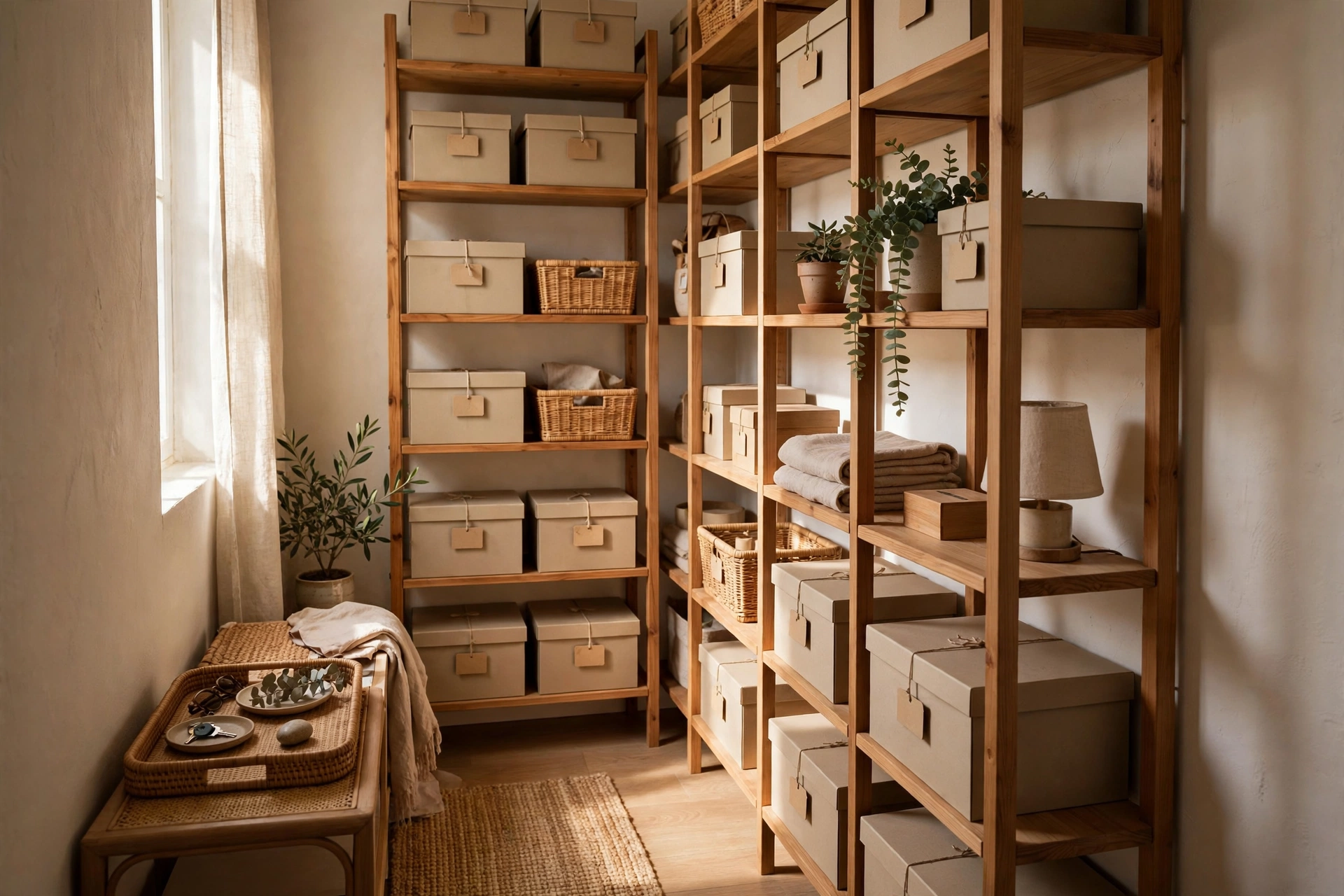
Small Space Storage & Organization
No closet, no space, no calm? Start tall, hide smart.
Explore guides →
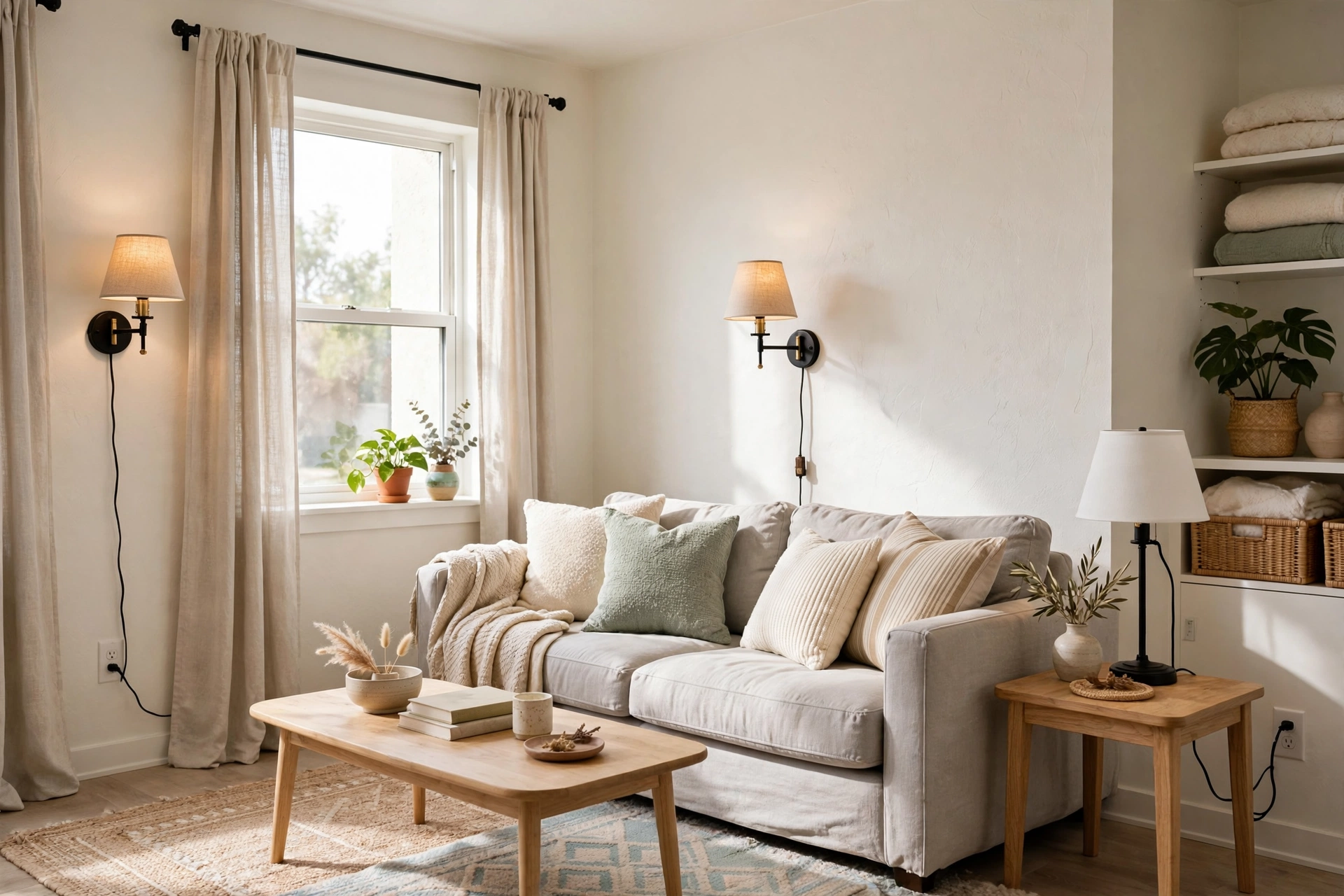
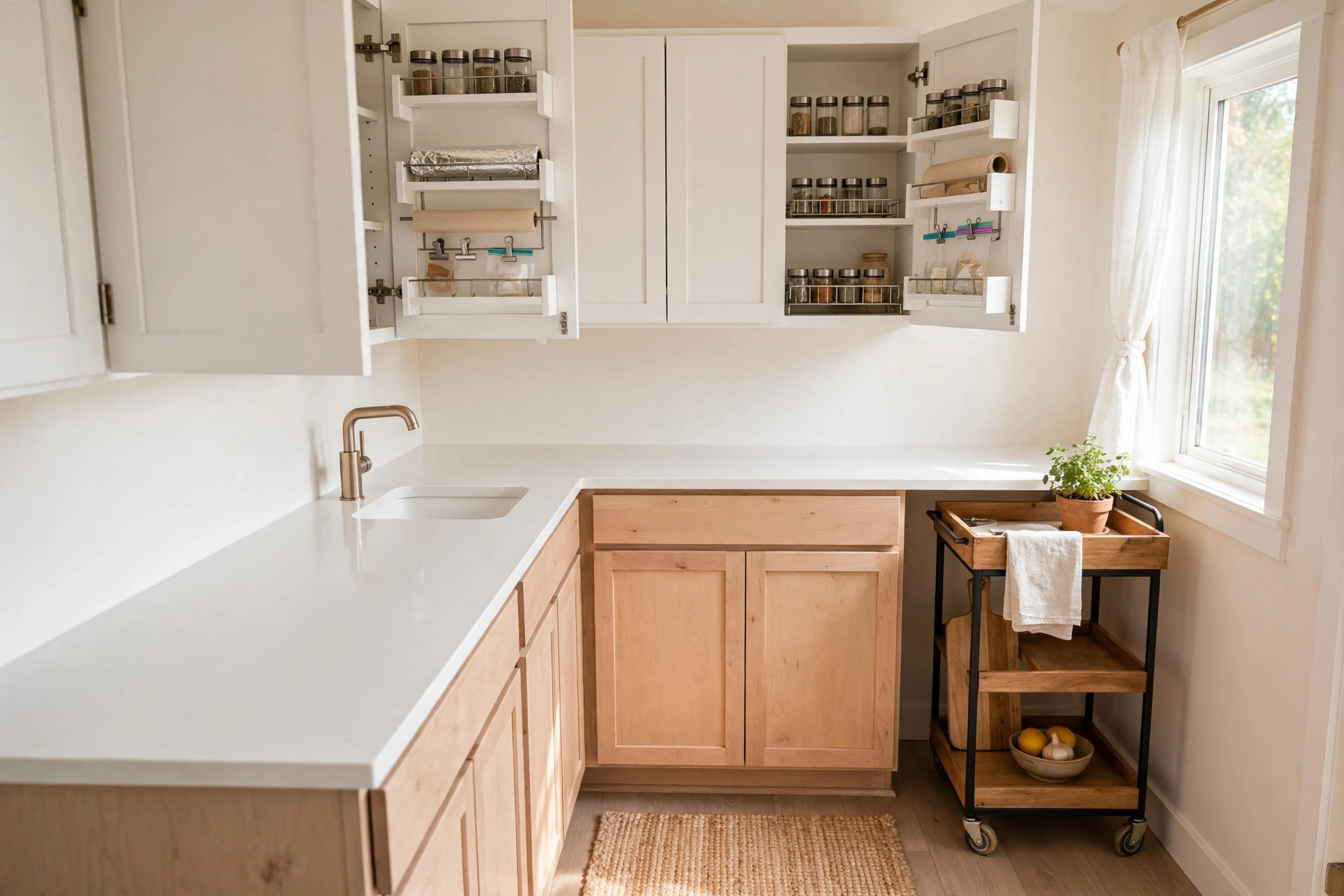
Small Kitchen & Bathroom Solutions
Clear counters and calm corners in the tiniest rooms.
Explore guides →
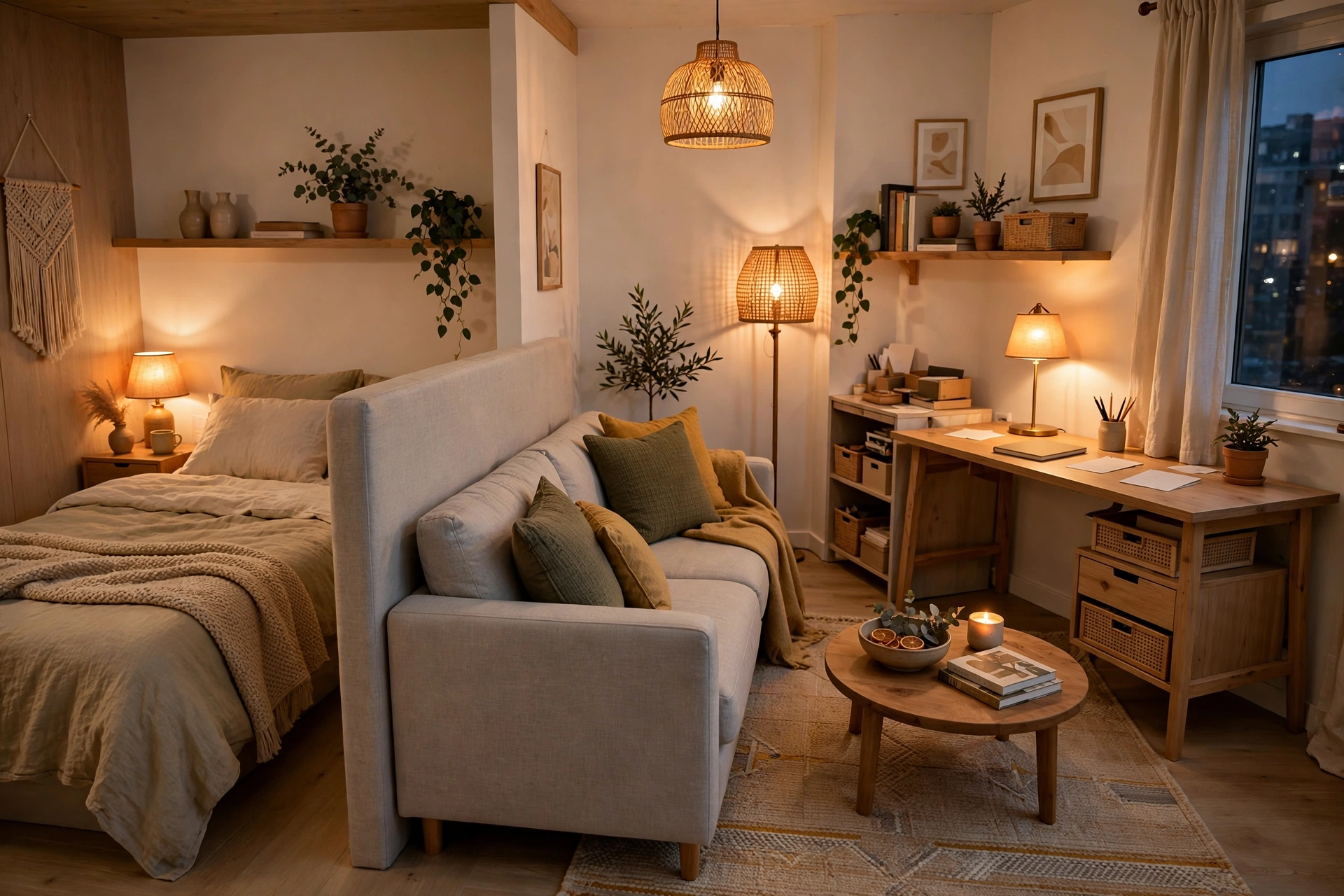
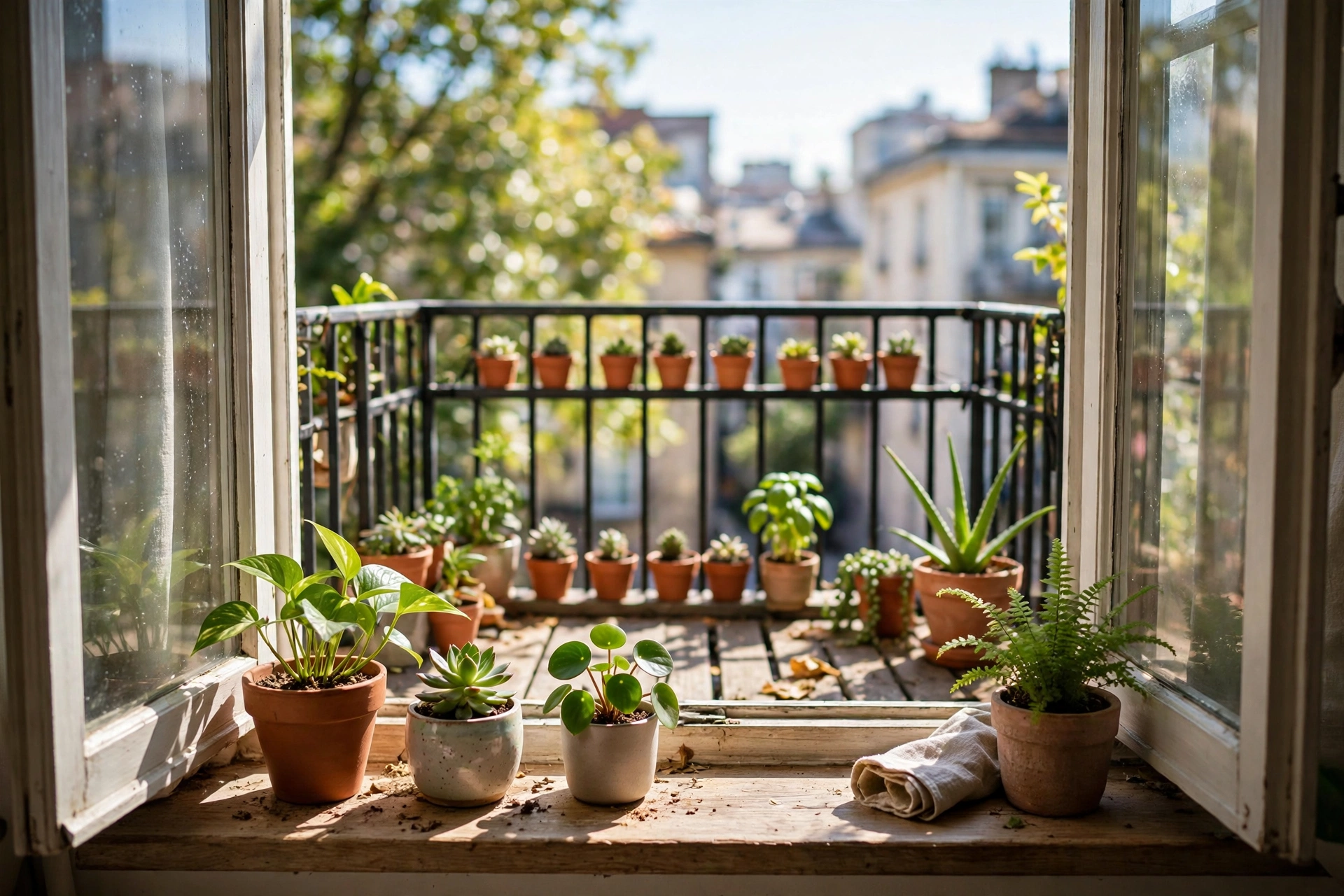
Balcony & Indoor Plants for Small Homes
The right plant, in the right light, renter-safe.
Explore guides →
Cleaning, Declutter & Small Home Routines
Five-minute resets instead of weekend-long cleans.
Explore guides →
The InterestBlog24 Way
How small-space living works here
We write for one person: you, in a small flat or first small home, with a real lease and a real life. Every guide starts with the actual snag, then gives you checks you can redo at home with a tape measure and your phone.
Then comes the fix, in the right order: tall first, hidden storage next, big furniture last. We don’t print weight limits from thin air — we point you to the maker’s manual. And we never claim tests we didn’t run.
Plants near pets? We send you to the ASPCA list by the plant’s Latin name, or to your vet. Products? We compare types, sizes and trade-offs.
Read the storage pillar guide
Measure first
Measure the room and the gap before you buy a thing.
Give everything a home by job
Hang, fold or hide. Every thing gets one spot.
Go tall, then hidden
Add one tall fix and one hidden fix before bigger furniture.
Live with it a week
Then fix what still bugs you. Small tweaks beat big spends.
Small-space living, properly explained
Most small-home advice on the internet ends the same way: buy this box, this shelf, this miracle gadget. After a while your home is full of storage… and still feels full. That is because the fix was sold before the problem was named. This page is the long version of how we think about small homes, and every guide on this site follows it.
The real problem is not square feet
A small home rarely runs out of space. It runs out of homes. Every daily thing you own — keys, chargers, coats, pans, paper — needs one clear spot where it lives. When an item has no spot, it migrates. It lands on the counter while you cook, the chair while you dress, the floor while you rush. Three homeless items per room is all it takes for a tidy flat to feel chaotic by Wednesday.
That is why our guides sort by job, not by room. Hang things together, fold things together, hide things together. Prep, cook, wash. The square feet never change. The calm does.
Measure first. Buy last.
Ten minutes with a tape measure will save you more money than any product we could ever name. Measure the gap, the door swing, the depth of the shelf, the height under the bed. Write it in your phone. Then shop with the numbers open. It sounds plain because it is plain — and it is the step almost every “small space haul” skips. Storage that is 2 cm too wide is not storage. It is a new problem leaning against your wall.
Our order of attack never changes: tall first (walls and doors are free floor space), hidden next (under beds, inside cabinet doors), big furniture last. One tall unit quietly adds more room than a bigger sofa ever will.
Renter rules we never break
More than half our readers rent, so every guide here passes the landlord test first: can this be undone in ten minutes, with no trace, on moving day? If not, we flag it at the top and tell you to ask before you start. We take lease checks seriously — rail pots, racks, balcony rules, adhesives on old paint. And we never invent weight limits. If a shelf, rod or rail has a limit, it comes from the maker’s manual for your exact wall and product, and we tell you exactly that. Honest limits keep deposits — and readers — safe.
How we research, in the open
We do not run a test lab, and we do not pretend to. Each guide is built from maker manuals and sizes, renter and safety rules, plant and care sources, and checks you can redo at home with a tape and a phone. Plant near a pet? We send you to the ASPCA plant list by the plant’s Latin name, or to your vet — we never guess a plant is safe. If advice on this site ever turns out wrong for your home, the checks in the guide will show it in minutes, not months. That openness is the whole brand: plain rules, said up front, so you can trust the small print too.
The six pillars, in depth
Six problems cause almost all small-home stress. Here is what each pillar really covers, and the exact guide to open first.
Storage & Organization
Storage that works is a system, not a shopping trip. We build it in order: measure the gap, give every item one home by job, then go tall, then hidden, then — only then — bigger pieces.
- One home per job, so things stop migrating
- The one-hand test: grab it fast or the spot fails
- Under-bed and above-door space most homes waste
Renter-Friendly Upgrades
Feel at home without risking your deposit. Every upgrade here must pass the ten-minute undo test, and we say so when one needs a landlord’s okay first.
- Soft fixes first: rugs, cloth, light
- Peel-back surfaces that leave no trace
- Hook and rail honesty — maker limits, not guesses
Kitchen & Bathroom
The counter is a workshop, not a shelf. We clear it with zones — prep, cook, wash — and move storage inside doors and up walls. Bathrooms get the same care, plus airflow, because damp is the real enemy.
- Daily tools within one step, the rest off the top
- Inside-door storage most people never use
- Dry, draining storage that beats bathroom damp
Furniture & Layouts
Zones before furniture, always. A studio works when sleep, living and work each get a corner and one clear path ties them together. Then pieces can be picked to fit — with honest trade-offs, not hype.
- Sketch the room before you shop
- One clear walking path, no sideways shuffles
- Sofa bed, daybed or futon — who each really suits
Plants for Small Homes
Light first, plant second. We match plants to the light you actually have, keep them compact with snug pots and small trims, and water at one sink spot so shelves stay dry.
- The midday book test for real low light
- Compact care: pot size, pinching, turning
- Pet rule: ASPCA list by Latin name, or your vet
Cleaning & Declutter
Five-minute resets beat weekend marathons. One zone at a time, three honest boxes, a set day for bags to leave — and a weekly clean that fits inside two hours.
- The 60-second entry reset that calms the flat
- One-in, one-out, without being strict about it
- Airflow habits that stop damp and smells early
Five small-home mistakes we see every week
These five show up in flat after flat. Each one is easy to fix once you can name it.
1. Buying storage before measuring. The shelf is 2 cm too wide, the box jams under the bed, and now the fix is furniture. Measure the gap and the door swing first — ten minutes, in your phone notes.
2. Organizing clutter instead of clearing it. Neat rows of things you do not use are still clutter. Clear first with the three-box sort, then organize what honestly stays.
3. Ignoring walls and doors. Most homes use the floor plan and forget the tall plan. Door backs, wall height and the space above cabinets are free storage asking to be used.
4. One big fix instead of small zones. A whole-home overhaul stalls by day two. One zone, finished — entry today, counters tomorrow — beats a perfect plan you never start.
5. Storing things damp or dirty. Damp scarves and unwashed gym kits are how small storage turns musty. Clean, fully dry, labeled: that is the whole secret of seasonal storage.
Start where you are
In a studio? Zones first. Our studio layout guide shows one room doing three jobs without feeling like a bedroom all day.
One rented room? Go tall and free-standing: door backs, bed space, one rail. Start with rental-safe over-door storage.
A one-bed flat? Fix the entry and the counters and the whole home calms down. The 60-second entry routine is the fastest win we know.
A family in a small home? Routines carry small homes with kids. Try the 7-day room-by-room declutter, then keep it with five-minute resets.
Fresh guides
Newest first — the latest small-home fixes from the blog.
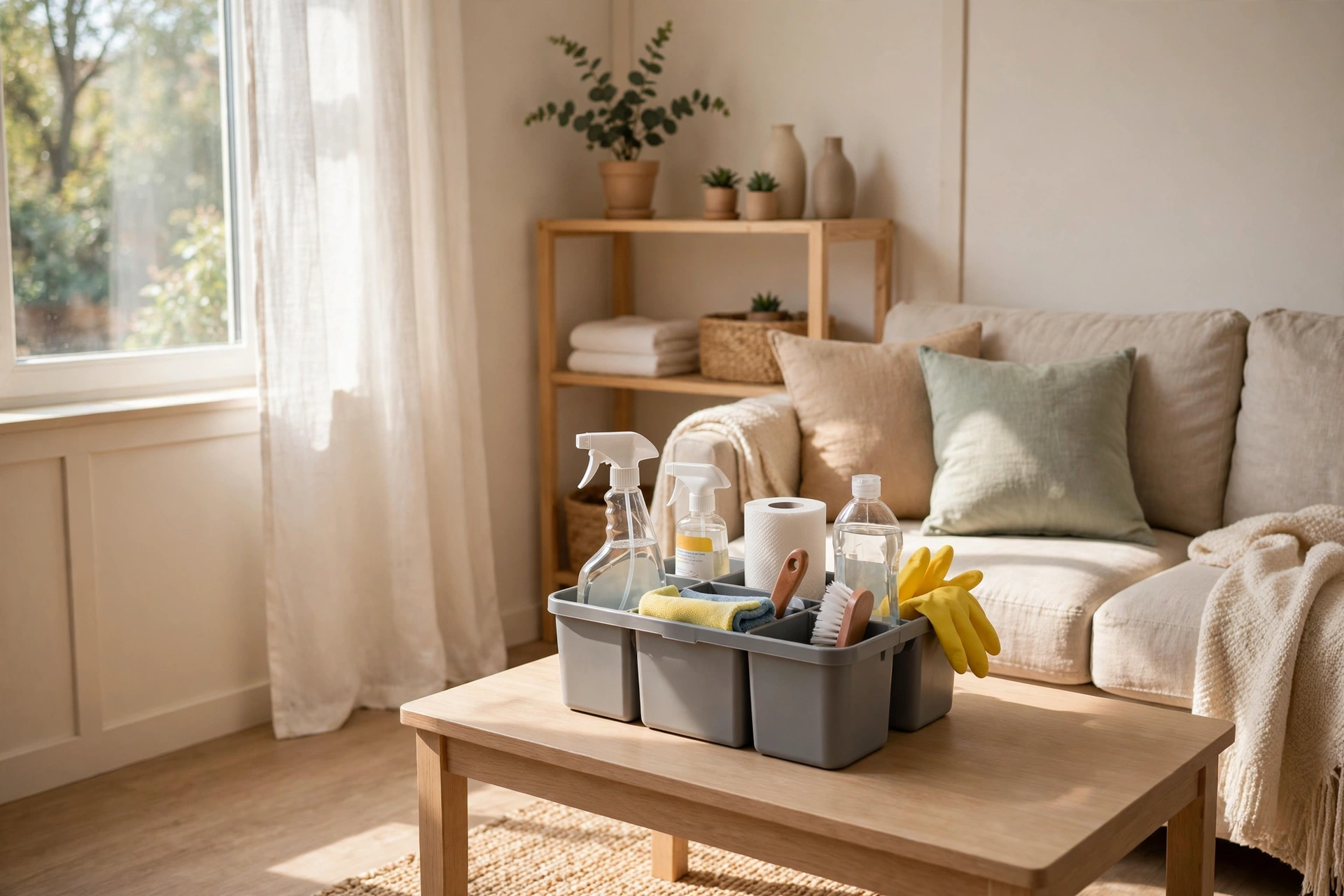
A Weekly Cleaning Routine for a Small Apartment in Under 2 Hours
The full week cleaned in five short zones.
Read guide →
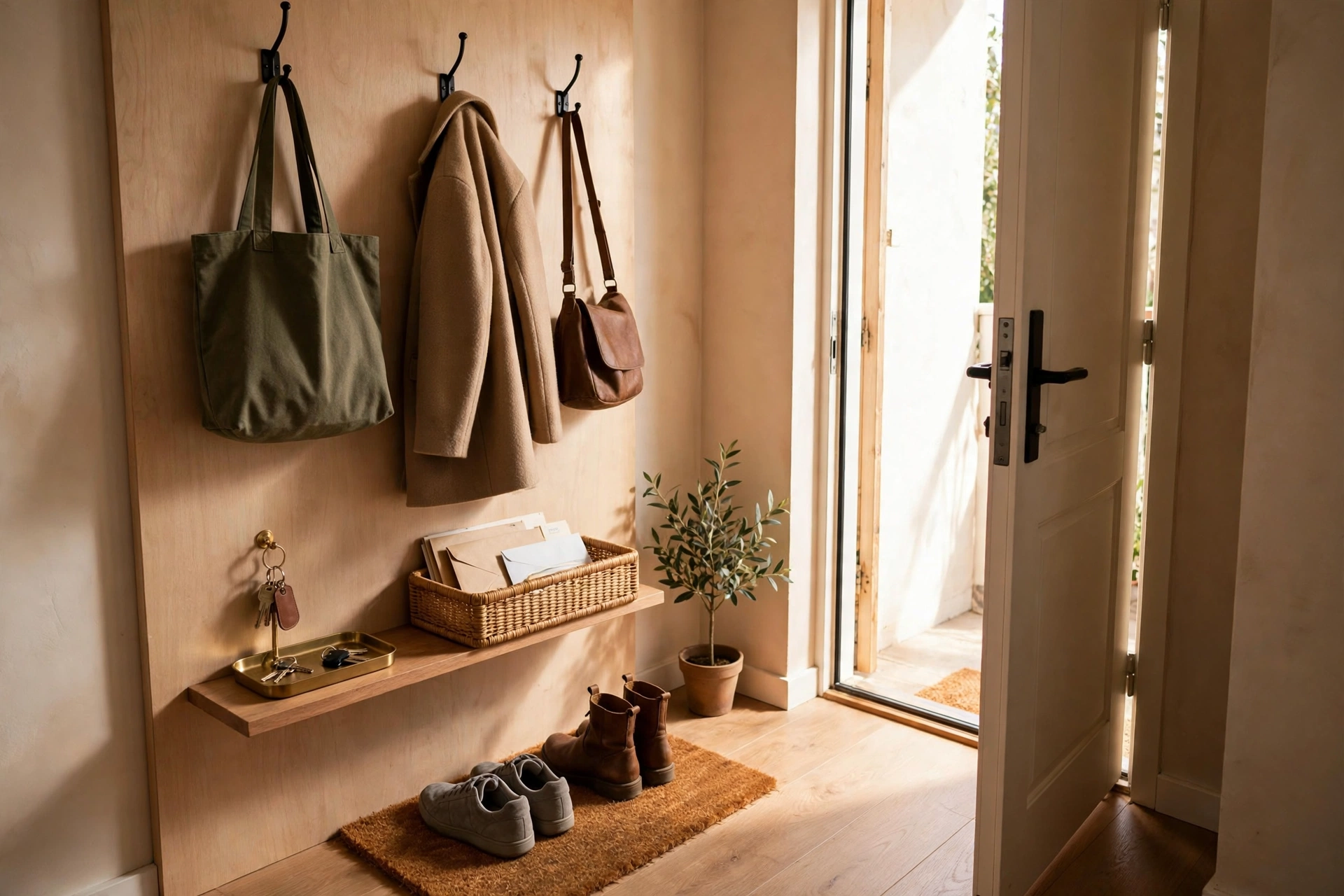
How to Stop Clutter at the Door: A Simple Entry Routine
Keys, mail, shoes and bags — one home each.
Read guide →

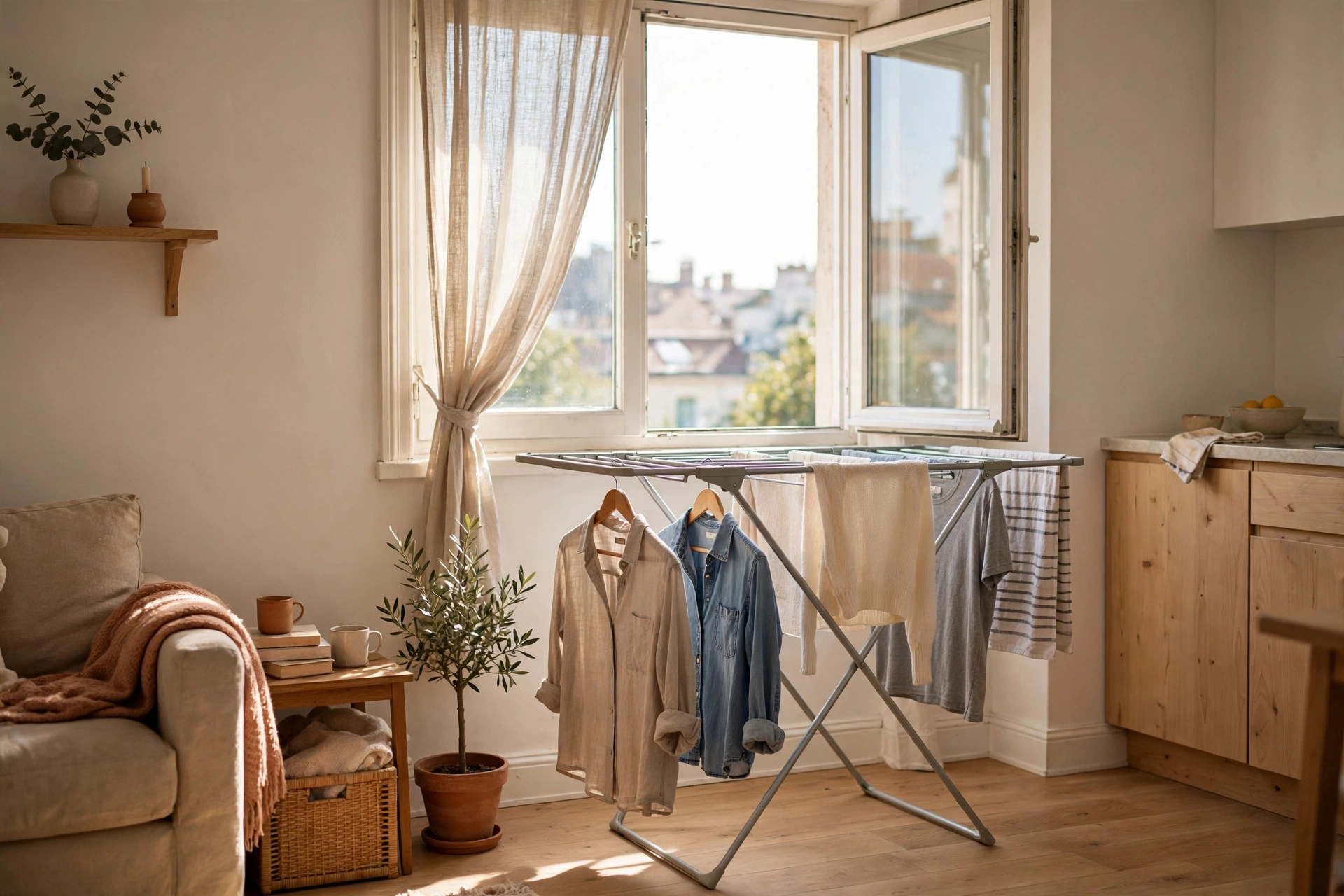
Laundry in a Small Apartment Without a Laundry Room
Sort, dry and fold — with no laundry room.
Read guide →
Declutter a Small Apartment Room by Room: A 7-Day Starter Plan
One zone a day. Done in a week.
Read guide →
Quick answers
Is this site for renters or owners?
Both — but renters come first. No-drill, no-mark fixes lead every guide.
Do you test every product?
No — and we say so. We work from maker sizes, manuals and checks you can redo at home.
How do you pick topics?
From real small-home problems and questions people actually search for.
Is the Storage Planner really free?
Yes. No sign-up and no email.
Can I ask for a guide?
Please do. Use the Contact page and tell us your room size and the snag.
How often do you publish new guides?
We add new guides every week, each one built around a real small-home snag and the search questions people actually ask. Quality first: a guide only goes live when the checks in it can be redone at home.
I have a tiny studio. Where do I honestly start?
With the entry and the bed, in that order. Give keys, mail and shoes one home at the door, then claim the space under your bed with measured, labeled boxes. Those two fixes calm a studio faster than any furniture swap.
Who writes the guides on InterestBlog24?
Every guide is planned, written and edited by the InterestBlog24 Editorial Team. We work from maker manuals, renter and safety rules, and home checks you can redo yourself — and we say plainly what we did not test, instead of dressing up guesses as reviews.
Do your guides work outside small apartments?
Most of them do. Measure-first storage, zones in the kitchen, and the reset routines work in any home. The renter-specific fixes — hooks, rails, peel-back surfaces — are written for leases, but owners use them too when they want changes without drilling.
Ready to make your small home work harder?
Start with the one guide that fixes the most rooms at once.
Start with the storage guide
Written by the InterestBlog24 Editorial Team — small-home guides you can trust.